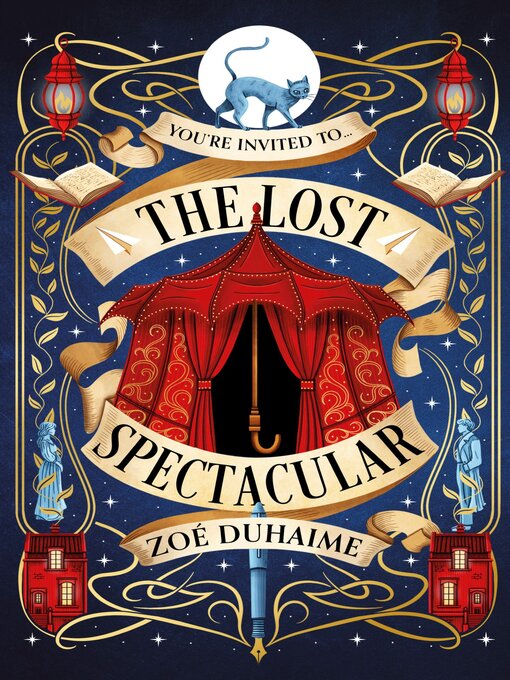
The Lost Spectacular
by Zoe Duhaime
The Lost Spectacular by Zoe Duhaime is a charming whimsical fantasy set in a City Not-Unlike-Montreal and a City That-Could-Have-Been-New York. Having a fondness for both cities, I enjoyed how she captured their essences even with a few tweaks here and there. Two childhood friends are now rivals, one, Munro Forrest a curator seeking to preserve, the other, Noon Bonaventure, a former bookstore proprietress steals forgotten bits from stories and art for her own use and that of the Spectacular, a marvelous metafiction dream carnival. The story is sure to delight fans of Erin Morgenstern’s Night Circus and the works of Jeanette Winterson. The Lost Spectacular is a deeply moving bittersweet nostalgic journey through classic works that explores the process of loss, letting go, and reconciliation. You’ll long to visit The Spectacular yourself; Duhaime’s novel is one you won’t soon forget!
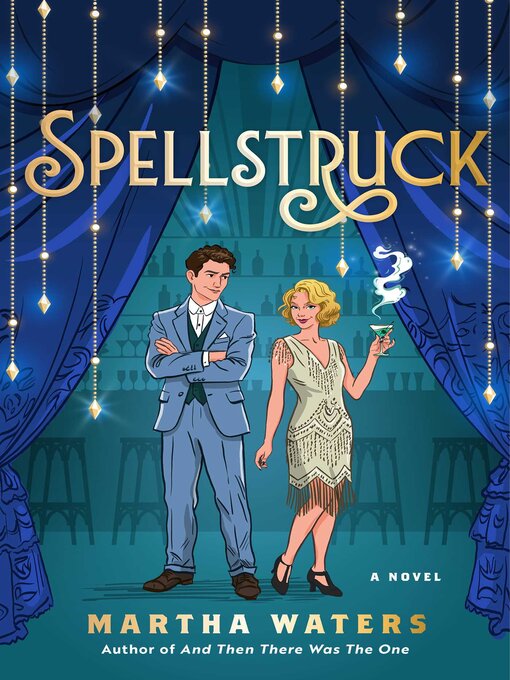
Spellstruck
by Martha Waters
Spellstruck is a fun historic fantasy set in 1920’s Britain where alcohol is legal, but potions and spellcasting are not. The novel is populated with charming characters including the whimsical flapper, Vesper Holloway. Vesper is the proprietor of a private club that mixes cocktails with spell ingredients activated by her family’s word of power. When odd incidents start happening at magic speakeasies in London, Vesper gets involved with an old family friend who is now part of FLEA, the agency enforcing the ban on magic. Magic is fading in the spellcasting families so spells tend more about making someone more glamourous or food taste better rather than having dramatic effects so this story will appeal to those looking for fantasy that is light on violence and gore. This is a delightful novel that will appeal to fans of cozy mysteries, fantasy and romances with quirky and compelling characters. Fans of this story can also check out the romances Christmas is All Around You and Regency Vows series also by Waters.
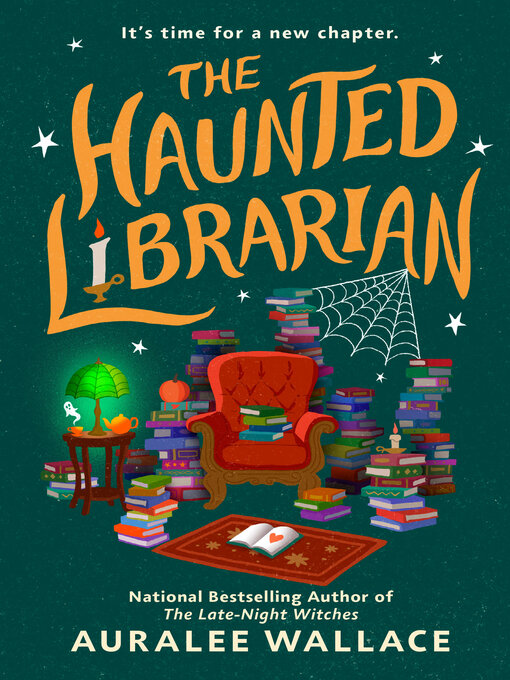
The Haunted Librarian
Auralee Wallace
The Haunted Librarian is Auralee Wallace’s new cozy fantasy romance about an introverted bookworm, Amelia, who is cursed with the ability to see ghosts. When she is hired to be the night librarian at a charming library branch with a handsome head librarian, she thinks it is her dream job despite the warnings of the ghosts she sees along the way. I found this to be a fast paced and fun read. It was enjoyable to see how prickly Amelia learned to open herself to others and not hide behind lies to find friendship and a sense of belonging. Working in a library, myself, I found some of those story details did not always ring true, but the emotional heart of the story shone through and I’d highly recommend this one. If you enjoy this story you can also checkout more magical reading from Wallace including In the Company of Witches and The Late-Night Witches.
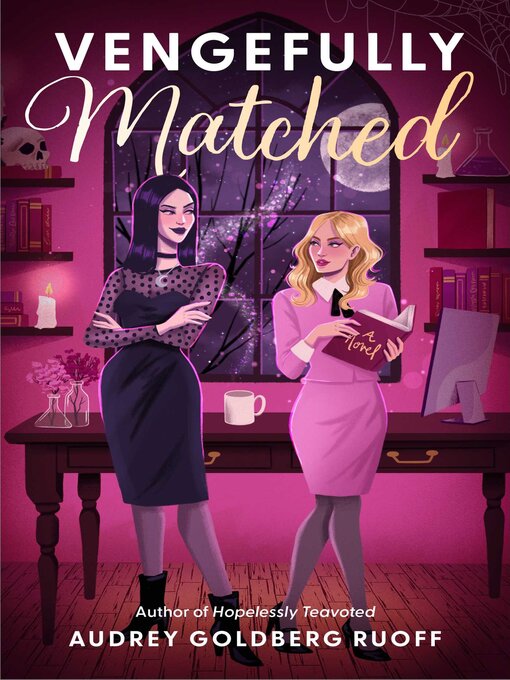
Vengefully Matched
by Audrey Goldberg Ruoff
Vengefully Matched is the new novel by Audrey Goldberg Ruoff and is about the sister of one of the love interests, Azrael, in her previous romance Hopelessly Teavoted. Pricilla Hart fled her wedding on her way to the alter when she realized she and her ex weren’t compatible, embarrassing herself in front of the witch community. But standing in her way from restoring her reputation is Agatha Vanderbilt Voisin the pink loving witch council president and frequent victim of Pricilla’s pranks. I did wish there had been a bit more character development beyond often characters sharing didactic view points and I felt the plot felt a bit jumbled, but there is a lot going on in the novel to keep one interested including mysterious attacks on Agatha. This will appeal to those who enjoy spicy enemies to lovers romance stories and fast-paced cotemporary fantasies that bring in modern language and social issues. Fans of Ann Acguire’s Fix-It Witches series may also enjoy this series.
Written by:
Aimee Harris
Information and Digital Services Manager